← your kid's instrument: costs, rentals, sticking with it
Easy Clarinet Songs for Beginners (Recognizable Beats Impressive)
The best easy clarinet songs are the ones a room recognizes, Hall of the Mountain King, Ode to Joy, and the month-two wall is tonguing, not the song list.
 Gus Harmon · Updated July 8, 2026 · how I decide
If you buy through my links the site earns a little. It's never why I pick things.
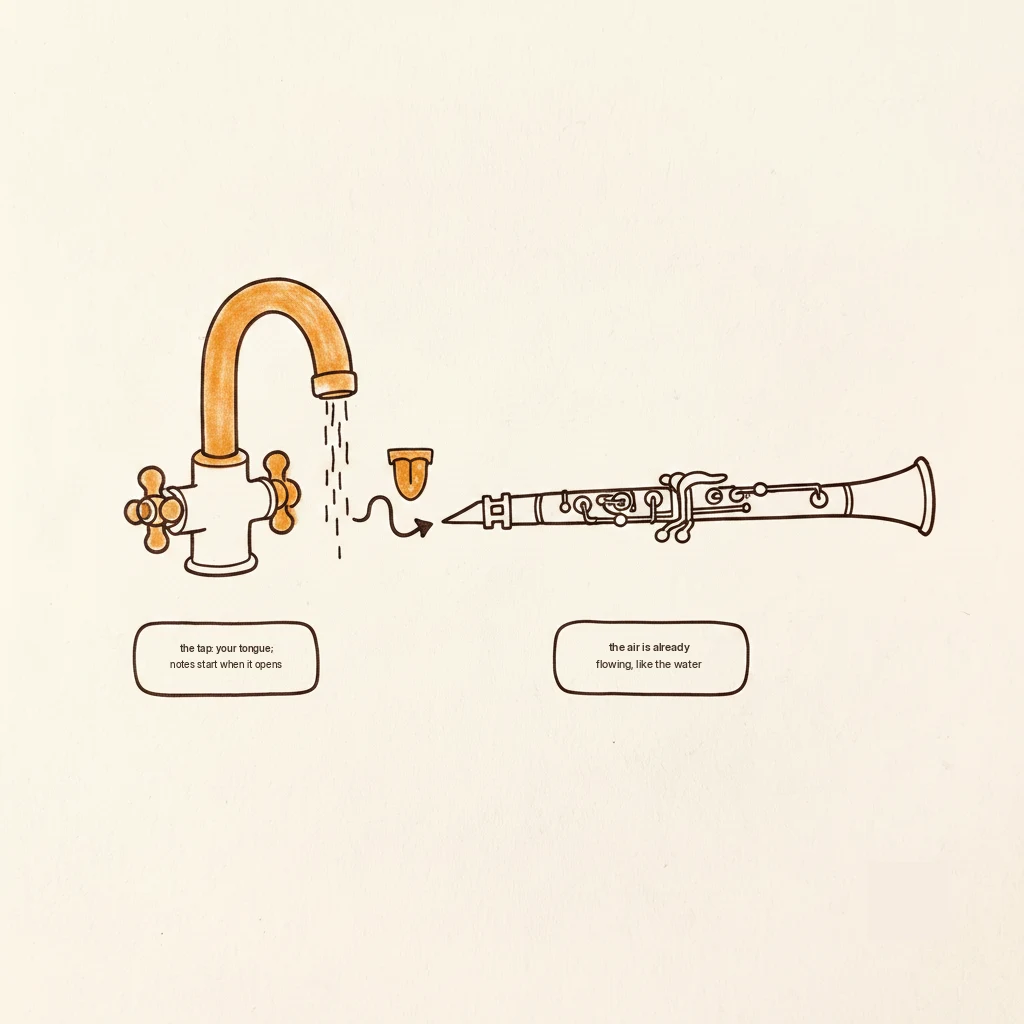
The best easy clarinet songs are the ones an audience recognizes, Hall of the Mountain King, the cat theme from Peter and the Wolf, Ode to Joy, not the ones that sound hard. The real month-two wall isn’t the songs, it’s tonguing: the tongue controls when your air gets through, like a tap on running water.
My daughter played clarinet. It stuck, which is more than I can say for her brother and his trombone, so I’ve got a soft spot for this instrument and the kids sweating through its early months.
Here’s the fear I’d guess you or your kid is feeling: the clarinet is stalled on Hot Cross Buns while the flute player in the next chair is off playing actual melodies. So let me tell you which songs to reach for, and then the one thing that’s really holding a month-two player back.
Pick songs the room knows
A clarinet player put it perfectly: kids “would probably enjoy something more musical than technically impressive.” Recognizable beats hard, every time, because a song people recognize is its own reward.
- In the Hall of the Mountain King. Starts slow and creepy, builds, and the whole band room knows it. Huge payoff for the notes involved.
- The cat theme from Peter and the Wolf. Written for clarinet, sounds like a real part.
- Ride of the Valkyries. One player called it “fun and catchy as well as easy.”
- Yellow Bird, and the opening of Rhapsody in Blue as the show-off carrot down the road. That famous swoop up at the start is a month-six trick, and kids think it’s the coolest thing on Earth.
The month-two wall: tonguing
The clarinet gives you a sound on day one, unlike the flute, which is why month two feels like a plateau. The next skill isn’t making noise, it’s starting and stopping notes cleanly, and that’s tonguing. Here’s the mental picture that fixes it: your air is water already flowing through a pipe, and your tongue is the tap. The tongue doesn’t start the note by pushing. It just controls when the air you’re already blowing gets through.
That reframe matters, because the wrong way, articulating from the throat with a little “huh” on each note, feels easier at first and quietly wrecks you later. A teacher of thirty years put it bluntly: once bad habits lock in, they’re very hard to undo.
The drill is gentle. Whisper “da da daaa da” so you feel where the tongue taps. Then practice it with just your thumb standing in for the mouthpiece. Then one single note on the actual clarinet. Small steps, done right, beat charging ahead wrong.
About the reeds and the squeaks
The squeak era is real, and a lot of it is reeds. Reeds are consumable, they wear out and warp, and a bad one squeaks no matter how well your kid plays.
A box of 2.5-strength reeds (Rico or Vandoren). About $30. Having spares means a warped reed is a thirty-second swap instead of a week of frustration and a kid convinced they’ve gotten worse. When the kid genuinely improves, upgrading the mouthpiece does more than any new reed, but that’s later.
Flaws, said plainly: reeds are a recurring cost you don’t escape, and strength is a little personal. 2.5 is the standard beginner starting point.
Is flute or clarinet harder?
Neither, really. They’re hard in different spots. The flute spends its first weeks just finding a sound at all, blowing across the hole and getting mostly air. The clarinet hands you a sound on day one, then makes you earn month two on tonguing and crossing “the break” (the jump from the low register to the high one). Different walls, same amount of work. Don’t let anyone tell your kid they picked the “easy” one or the “hard” one.
The method book’s melody pages are the real song ladder, by the way. The recognizable songs above slot in beside it, not instead of it. And when the kid outgrows both and wants “real pieces,” there’s a free trick teachers use: the graded exam syllabi (ABRSM and the other exam boards publish their song lists openly), where every piece at a level is vetted to sit at the same difficulty. Grade 1 is roughly the end of year one. It’s a ready-made second-year song ladder, no purchase required.
Articulation on a clarinet is an air skill wearing a tongue costume. The sound is made by the reed vibrating against the mouthpiece while you blow, and it keeps vibrating as long as the air flows. Your tongue’s whole job is to touch the reed to stop it, then release to let it speak, all without interrupting the steady air behind it. That’s why the “tap on running water” picture works so well: if you cut the water (the air) every time you want a new note, the sound sputters. If you keep the water flowing and just tap the tap, the notes come out clean and even. Great clarinet tonguing is really great, uninterrupted breathing with a very quick, very light tongue riding on top.
Play In the Hall of the Mountain King the week the tonguing finally clicks. It’s the biggest reward-per-note song on the instrument, and the whole band room recognizes it. Until then, it’s “da-da-daaa-da” in the car and a fresh reed whenever the squeaks won’t quit.
If you buy through my links the site earns a little coffee money. Doesn’t change the price, doesn’t change my answer.
If you’re figuring this out, you’re probably also wondering:
Gus Harmon
Gus spent three decades running sound wherever somebody needed it: bar bands, weddings, school shows, and twelve years of Sunday mornings. He can't sing a note. He can make sure you're heard. Now he writes so normal people can buy the right thing the first time.