← your kid's instrument: costs, rentals, sticking with it
Easy Cello Songs for Beginners (Easy Is Not Beneath You)
The cello is the instrument where easy already sounds rich, so start with open-string and first-position pieces like Twinkle, Ode to Joy, and Amazing Grace, ten minutes a day.
 Gus Harmon · Updated July 8, 2026 · how I decide
If you buy through my links the site earns a little. It's never why I pick things.
The cello is the instrument where easy already sounds rich. Open-string and first-position pieces, Twinkle through the Suzuki Book 1 ladder, Ode to Joy, Amazing Grace, make the deep sound people love the cello for. The shortcut of jumping to your favorite piece doesn’t work here, but ten minutes a day gets you there faster than weekend marathons.
Two people usually land on this page, and they’re opposite ends of the same rope. One is an adult beginner who’s honest about themselves: “internal motivation is a challenge, and the methods feel monotonous.” The other is a bored high-schooler for whom everything the school orchestra plays is “too easy.” Same question underneath: can I skip the boring stuff and just play the piece I love?
The kind answer is no, and then a door back in. Let me give you both.
Why you can’t skip to your favorite piece
Even the opening of the big, beautiful cello pieces needs arm strength and bow control that only build over weeks. Try to mimic it early and you’ll strain, sound bad, and lock in habits you’ll fight later. A player put the shape of it well: you don’t start your boxing career by fighting the champ.
But here’s the door back in, and it’s a real one: pick easier pieces you actually like. Motivation is a completely valid way to choose what you play. One cellist confessed that choosing “too easy” repertoire he enjoyed made his best playing years. So no, you can’t leap to the hardest thing you love. Yes, you can fill the easy phase with easy things you love.
The pieces that sound great even as a beginner
This is the cello’s gift. On most instruments, beginner songs sound like beginner songs. On cello, the easy stuff already sounds like the cello.
- Twinkle variations and the Suzuki Book 1 ladder. The method itself is the song list, and Book 1 builds real tone.
- Ode to Joy, Amazing Grace, Silent Night. Open strings and first position, rich and recognizable.
- The Bach Cello Suite No. 1 Prelude is the universal carrot. Keep it in view. One player on a completely different instrument named it as the proudest first big piece they ever finished, which tells you how far that dream reaches.
The law that matters more than the song list
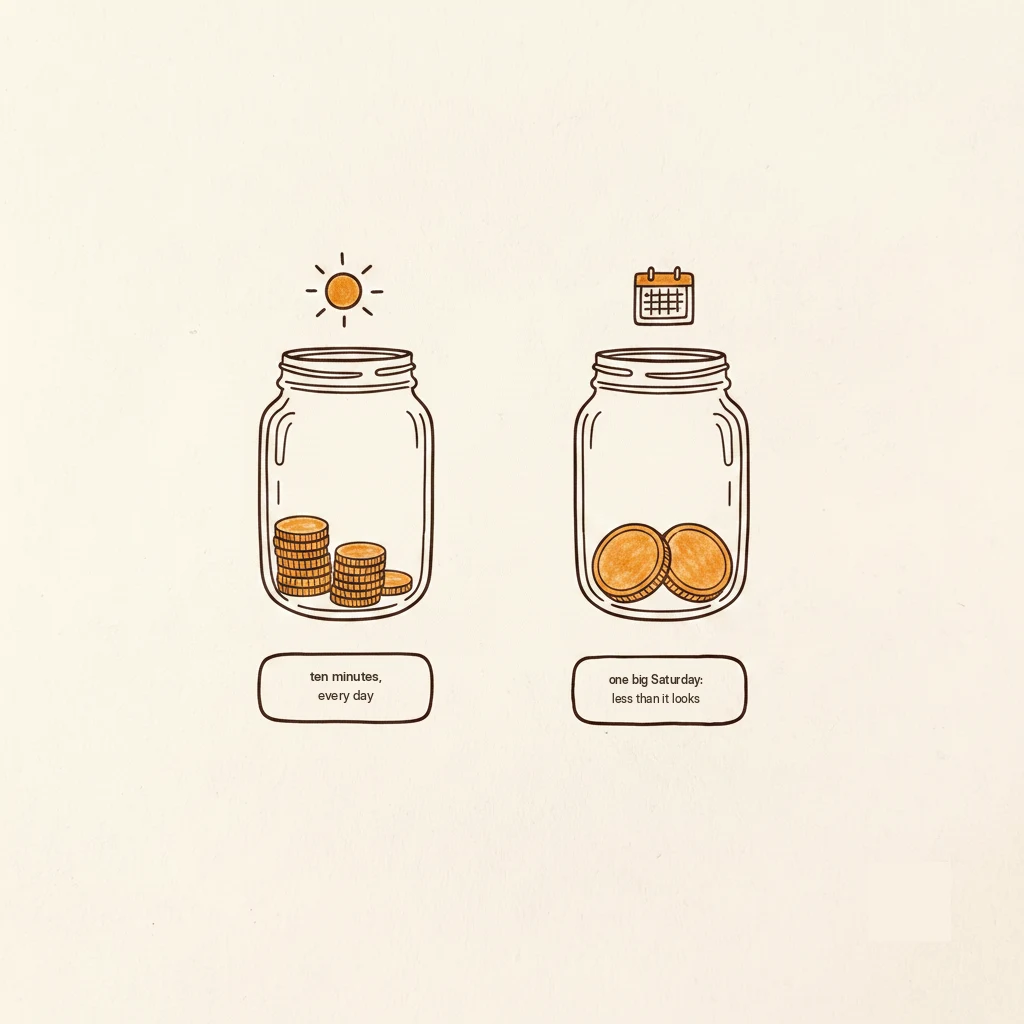
Ten minutes a day, on many days in a row, is hugely more productive than a couple of long weekend sessions. Muscle memory compounds like interest: a little every day builds arm and bow control that a Saturday marathon can’t. If you take one thing from this page, take that. The daily ten minutes is the whole secret.
If you’re a self-directed adult who needs structure, the Royal Conservatory (RCM) graded books are named by players for exactly this: graded freedom. You still pick pieces you like, but inside a ladder that guarantees you’re actually progressing instead of wandering.
And the “it’s too easy” kid
There’s a line from a conductor mother that shuts this down beautifully: “If you think it’s easy, I’ll expect you to play it better than any cellist has.” Easy pieces are where tone gets built. A bored high-schooler and an impatient beginner get the same answer: the simple piece isn’t the kiddie pool, it’s where you learn to make the sound gorgeous. Let a kid hear a professional play Twinkle beautifully once, and they’ll never call it easy again.
Rosin and a tuner. About $25 for both. Rosin is the sticky block you rub on the bow hair so it grips the strings and actually makes sound (no rosin, no tone), and a clip-on tuner keeps the open strings honest. Small money, and nothing works right without them.
Flaws, said plainly: these are consumable-adjacent and easy to forget in the excitement of the instrument itself. Don’t. A beautiful cello with a dry bow makes a scratchy whisper.
If your kid uses a school cello for year one, good, that means the song list matters more than any purchase right now. Spend your attention here, not on gear.
Part of the reason the cello flatters beginners is where it sits. Its range lines up closely with the human voice, roughly the span from a low man’s voice up through a woman’s, which is the range our ears are most tuned to and most moved by. When a beginner plays a slow, simple line on the cello, they’re playing in the exact register that human beings are wired to find warm and expressive, so even plain notes carry feeling. A simple tune on a high, bright instrument can sound thin or childish. The same tune down in the cello’s voice-like register sounds serious and rich. The instrument is doing some of the emotional work for you, which is a lovely thing to have on your side while your hands are still learning.
Ten minutes a day, every day, on pieces you’d happily hum anyway. Let the kid hear a pro play Twinkle beautifully once, so they understand easy isn’t the shallow end. If you’re a self-directed adult, work the RCM ladder so you’re always moving forward.
If you buy through my links the site earns a little coffee money. Doesn’t change the price, doesn’t change my answer.
If you’re figuring this out, you’re probably also wondering:
Gus Harmon
Gus spent three decades running sound wherever somebody needed it: bar bands, weddings, school shows, and twelve years of Sunday mornings. He can't sing a note. He can make sure you're heard. Now he writes so normal people can buy the right thing the first time.