← your kid's instrument: costs, rentals, sticking with it
What's the Difference Between a Violin and a Fiddle?
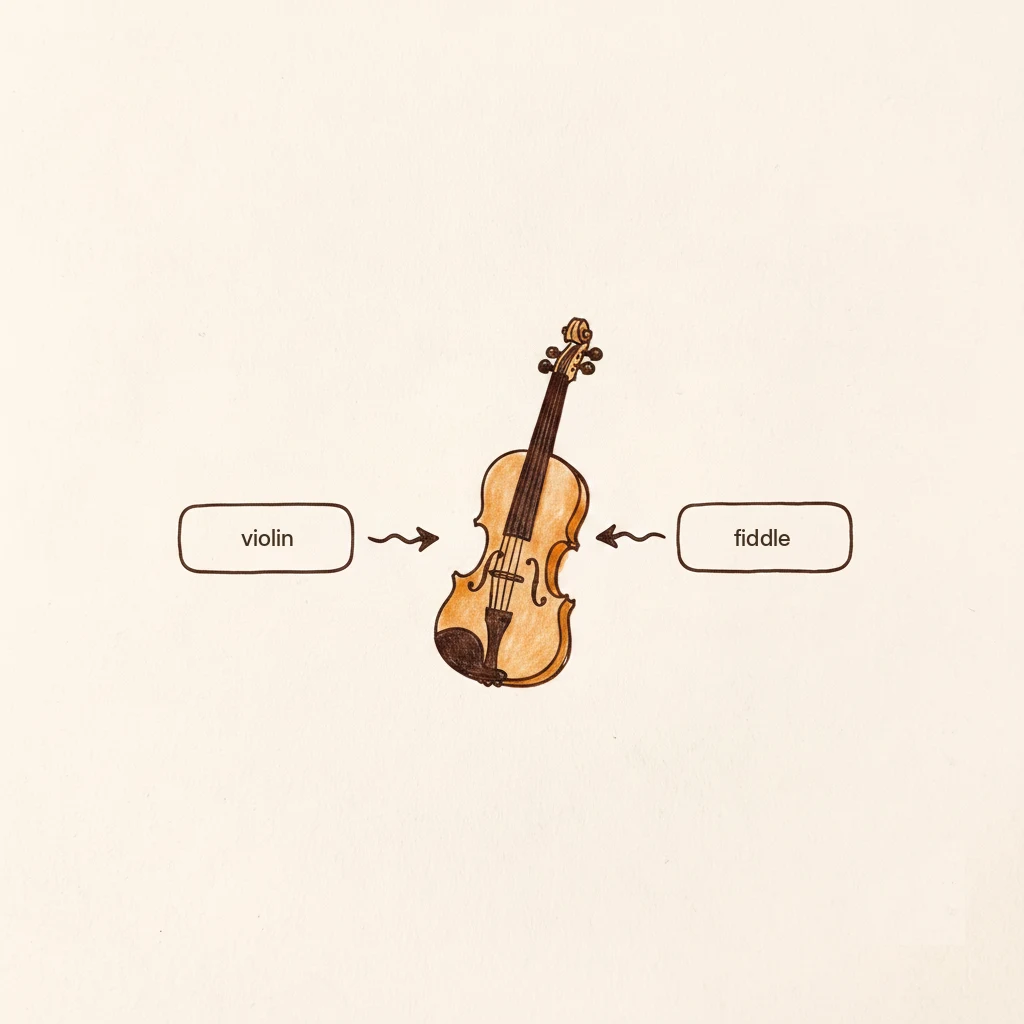
A fiddle is a violin. Same instrument, different music: classical players say violin, bluegrass and folk players say fiddle, and you can play either style on the one at the rental counter.
 Gus Harmon · Updated July 11, 2026 · how I decide
If you buy through my links the site earns a little. It's never why I pick things.
You can stop bracing yourself
This is one of those questions people are half-afraid to ask, because it feels like the answer must be obvious to everyone else. It isn’t. It’s a genuinely reasonable question with a one-sentence answer, and the sentence is: they’re the same instrument.
Yamaha’s guide says it flat out: there’s no significant physical difference between the instruments. What separates the two is mostly the music being played and the approach being taken. The box, the strings, the bow: identical hardware.
Fiddlers themselves have a joke about it. What’s the difference between a violin and a fiddle? Nobody cries when you spill beer on a fiddle. The instrument doesn’t change. The room does.
So why do fiddles sound different?
Because the players do different things with the same object.
Classical playing works from written music, played the way it’s written, with long sustained notes and vibrato. Fiddle playing runs on tunes learned by ear, ornamented on the fly, danced on top of. Same instrument, two accents.
There are also small setup choices some fiddlers make, and this is the only place where the physical objects diverge at all. Many fiddlers prefer steel-core strings for a crisper, brighter bite. Some have the bridge shaved a little flatter, which brings the strings closer together and makes it easier to hit two strings at once and play fast. Both of those changes cost less than a tank of gas, and both are reversible. A shop can do either to any violin.
The part that actually matters: the teacher
If you (or the kid) want to play fiddle music, the instrument is the easy part. Any rental violin plays fiddle music tonight.
The thing to choose carefully is the teacher. Classical training and fiddle playing are both wonderful, but a strictly by-the-book classical teacher can slowly grind down a student who came in wanting Tennessee Waltz. If the goal is fiddling, look for a teacher who teaches tunes by ear at least some of the time, or who at minimum respects where you’re headed.
And here’s some encouraging news for beginners specifically: fiddle tunes tend to be friendlier to new players than the classical path. Most of the classic tunes stay in what players call first position, meaning the left hand never has to slide up the neck. The hard parts of fiddling come later and they’re about rhythm and swagger, not acrobatics.
If you're figuring this out, you're probably also wondering:
Gus Harmon
Gus spent three decades running sound wherever somebody needed it: bar bands, weddings, school shows, and twelve years of Sunday mornings. He can't sing a note. He can make sure you're heard. Now he writes so normal people can buy the right thing the first time.